Punjab govt hikes stamp paper fees from Jan 2026
Navigating the New Stamp Paper Landscape in Punjab
Understanding Punjab stamp paper fees is essential if you’re planning to buy property, register a business, or execute any legal document in Punjab. Brace yourself—Punjab stamp duty fees are climbing sharply. Starting January 2026, the provincial government has announced a significant hike in stamp duty rates that will affect virtually every transaction requiring official documentation.
This isn’t just bureaucratic fine-tuning. The revision represents one of the most substantial increases in recent years, impacting property buyers, entrepreneurs, and anyone executing legal agreements. Whether you’re purchasing a modest apartment in Lahore or finalizing a commercial lease in Faisalabad, these changes will translate into higher upfront costs. The timing matters, too—understanding what’s shifting and when could save you considerable money if you’re already in the middle of a transaction. The question isn’t whether these changes will affect you, but how much and what you can do about it.
What is the Stamp Duty in Punjab 2026?
There’s no single stamp duty rate—that’s the whole point of understanding this reform. Punjab’s 2026 structure operates on a tiered system where rates depend entirely on document type, property value, and transaction category. A Rs 50 affidavit doesn’t carry the same duty as a Rs 5 million property transfer, and that complexity is intentional.
The core framework works like this: judicial stamp papers now range from Rs 50 to Rs 50,000 for court filings and agreements, while property transactions face percentage-based calculations tied to market value. Urban property transfers typically incur 3-5% duty, though rural areas and exempted categories drop lower. Registration fees sit separately at 1% of property value.
updated Punjab e-stamp duty rates
Here’s the updated Punjab e-stamp duty rates breakdown that took effect in January 2026. The provincial government restructured the entire fee schedule, moving away from the flat nominal charges that had been in place since 2019.
For non-judicial stamp papers, which handle most property agreements and legal documents, rates now operate on a sliding scale:
- Rs. 10 papers: Now cost Rs. 15 (50% increase)
- Rs. 50 papers: Jumped to Rs. 75
- Rs. 100 papers: Increased to Rs. 150
- Rs. 500 papers: Rose to Rs. 750
- Rs. 1,000 papers and above: All higher denominations saw proportional 50% hikes
The revision affects both physical stamp papers purchased from authorized vendors and digital e-stamps issued through the provincial portal. One notable change: the government eliminated the Rs. 20 denomination entirely, forcing users to either step up to Rs. 50 papers or combine multiple Rs. 10 sheets—a move critics say complicates smaller transactions unnecessarily.
These rates apply uniformly across all Punjab districts, though transaction values for property transfers still vary based on local DC rates and property type classifications.
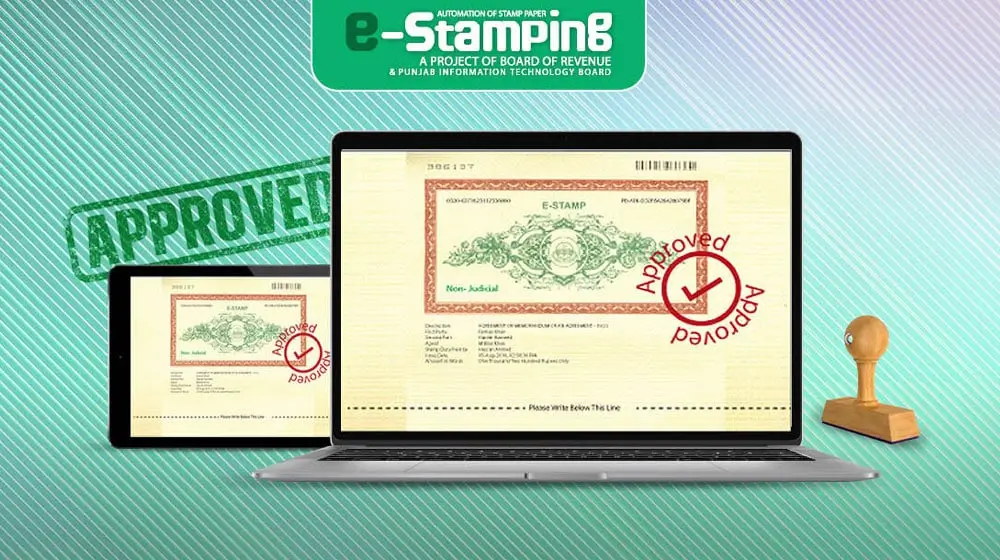
Key Punjab Stamp Paper Fees Takeaways
The Punjab government’s January 2026 stamp duty revision fundamentally restructured legal document costs across the province. Here’s what stakeholders actually need to remember: power of attorney stamp duty paper now costs Rs 300 for general categories—triple the previous Rs 100 rate—while property transactions face a dual calculation system combining fixed duties with ad valorem percentages based on asset values.
The changes weren’t purely financial. Provincial authorities positioned the hikes as prospective, meaning they wouldn’t apply retroactively to documents executed before January 1, 2026. However, this created enforcement challenges in districts where vendor cooperation varied significantly.
Punjab Government Hikes Stamp Paper Fees Sharply
“hikes stamp paper fees” captures only half the story—the January 2026 changes hit different document types with wildly varying increases. Some categories saw modest 10-15% adjustments aligning with inflation, while others jumped 40-60% overnight. Here’s the pattern officials didn’t highlight in press releases.
Lower-value documents (under Rs. 50) remained largely untouched, preserving accessibility for routine affidavits and basic agreements. The real shock landed in the Rs. 100-500 range, which professionals use daily. A standard Rs. 100 stamp paper jumped to Rs. 150—a 50% increase that immediately impacted legal documentation costs across the board.