Shocking Updates: No More Challans Transporters Strike 2026
The streets of Pakistan witnessed an unprecedented disruption as transporters across Punjab, Sindh, and KPK launched the 2025 Transporters Strike, demanding the immediate removal of traffic fines. The strike brought city traffic to a near halt, affecting daily commuters, freight services, and school transport. Drivers protested what they called “excessive, unfair, and unmanageable challans,” highlighting rising operational costs, aggressive enforcement, and inflated fines.
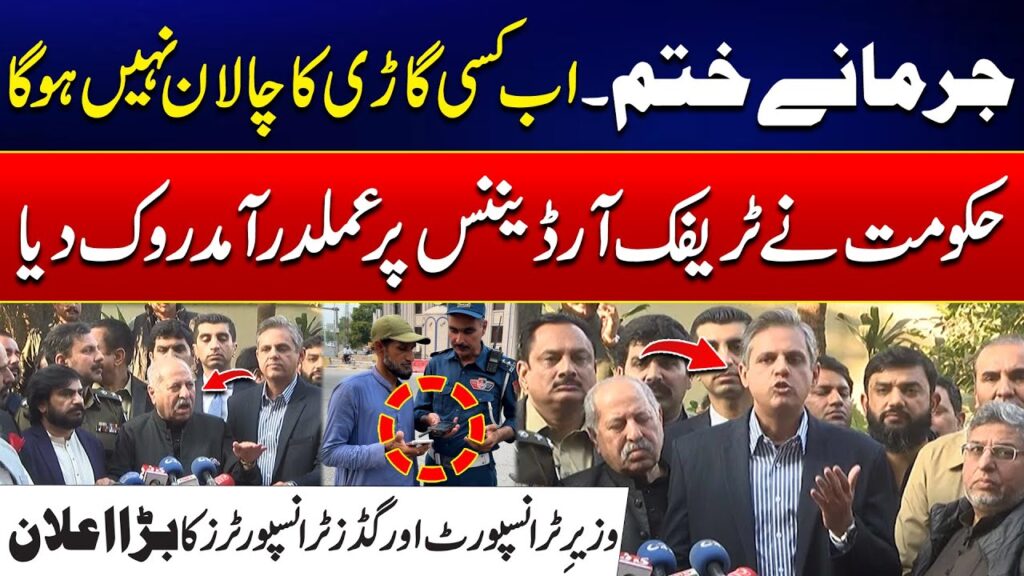
The government, reacting swiftly to prevent further chaos, announced a temporary suspension of traffic fines, creating a mix of relief and confusion among drivers and passengers alike. Social media exploded with hashtags like #NoMoreChallans, #TransportersStrike2025, #TrafficRelief, and #DriverVictory, reflecting public interest and debate.
Why Transporters Went on Strike
Rising Traffic Fines
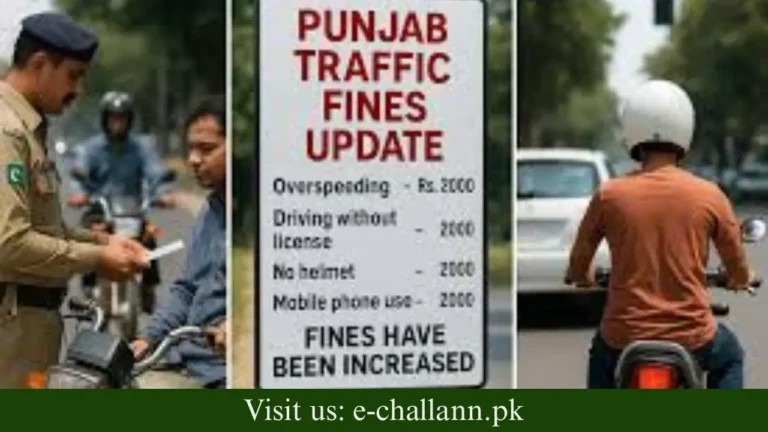
Recent years have seen sharp increases in traffic fines across Pakistan. Many transporters argued that fines for overloading, speeding, route violations, and lack of documentation had become unbearable, especially for daily-wage drivers.
Operational Costs & Fuel Hike
Surging fuel prices, rising toll taxes, and vehicle maintenance costs left transporters struggling financially. Drivers demanded relief to maintain business sustainability.
Aggressive Enforcement
The strike was also fueled by reports of spot challans, vehicle impoundments, and strict police checks. Transporters claimed enforcement was often inconsistent and unfair.
Immediate Government Response
Suspension of Traffic Fines
Authorities temporarily paused traffic fines in key districts, aiming to reduce tension and reopen roads. This suspension applies to non-critical violations while serious offences remain punishable.
Negotiation with Transport Unions
Government officials engaged with transporter unions to negotiate a revised fine structure and long-term relief measures, promising updated policies soon.
Impact on Public Transport
Commuters Affected
City buses, vans, and taxis were largely off the road, affecting millions of daily commuters and forcing many to seek alternative transportation.
School and College Transport Disruptions
Students faced irregular or canceled routes, leading to decreased attendance in schools and colleges during the strike.
Freight & Logistic Delays
Commercial goods transport slowed down considerably, affecting supply chains and delivery schedules nationwide.
Public Reactions and Social Media Buzz
The strike ignited debates on platforms like Twitter, Facebook, and Instagram. Commuters expressed frustration while transporters highlighted their rights and financial struggles. Hashtags #NoMoreChallans and #TransportersStrike2025 trended for multiple days.
Future of Traffic Fines in Pakistan
Proposed Revised Fine Structure
The government plans to introduce a balanced fine system based on vehicle type, route, and violation severity.
Long-term Plans for Transporter Relief
Policymakers are considering exemptions for small-scale transporters, discounted fines for early payments, and structured payment plans.
Legal Perspective on the Strike
Temporary Measures vs Law Enforcement
While the suspension of fines provides immediate relief, legal experts warn that enforcement may resume without official notice.
Rights of Transporters and Drivers
Transporters have the right to negotiate, but strikes affecting public service may require regulatory oversight to ensure public safety.
Economic Impact of the Strike
The halt in transport services impacted commerce, delivery of essential goods, and daily wage workers. Logistic delays have added short-term financial strain for both businesses and consumers.
Safety Concerns During the Strike
With reduced public transport options, many people relied on informal means, raising safety risks. Authorities urged caution and compliance with traffic laws even during the strike.
Expert Opinions
Transport analysts suggest that temporary suspension of fines should be paired with long-term policy changes. Experts also emphasize structured enforcement, driver awareness campaigns, and transparent fine systems.
1. Are traffic fines completely removed?
No, the removal is temporary for non-critical violations. Serious offences are still enforceable.
2. How long will the suspension last?
Authorities have not provided a fixed timeline but are negotiating with unions.
3. Why did transporters strike in 2026?
Increased fines, rising operational costs, and aggressive enforcement prompted the protest.
4. How does this affect daily commuters?
Public buses and vans faced service disruptions, forcing people to find alternative travel.
5. Will fines return after negotiations?
Yes, a revised structure is expected, balancing enforcement with driver relief.
The Transporters Strike 2025 marked a significant moment in Pakistan’s transport and traffic management history. With temporary suspension of fines, drivers experienced relief while authorities worked to balance public safety, legal enforcement, and transport sector stability. The strike highlighted the urgent need for fair policies, sustainable fine structures, and clear communication between government and transporters.
Commuters and transporters alike are now watching closely as negotiations continue, hoping for a long-term solution that maintains road safety while easing financial pressure on drivers.